

Progressing Cavity Pump in Pakistan
Industrial processes often require pumping systems capable of handling thick, abrasive, shear-sensitive, and high-viscosity fluids. A progressing cavity pump is one of the most reliable positive displacement pumping technologies designed specifically for these demanding applications
What is a Progressing Cavity Pump?
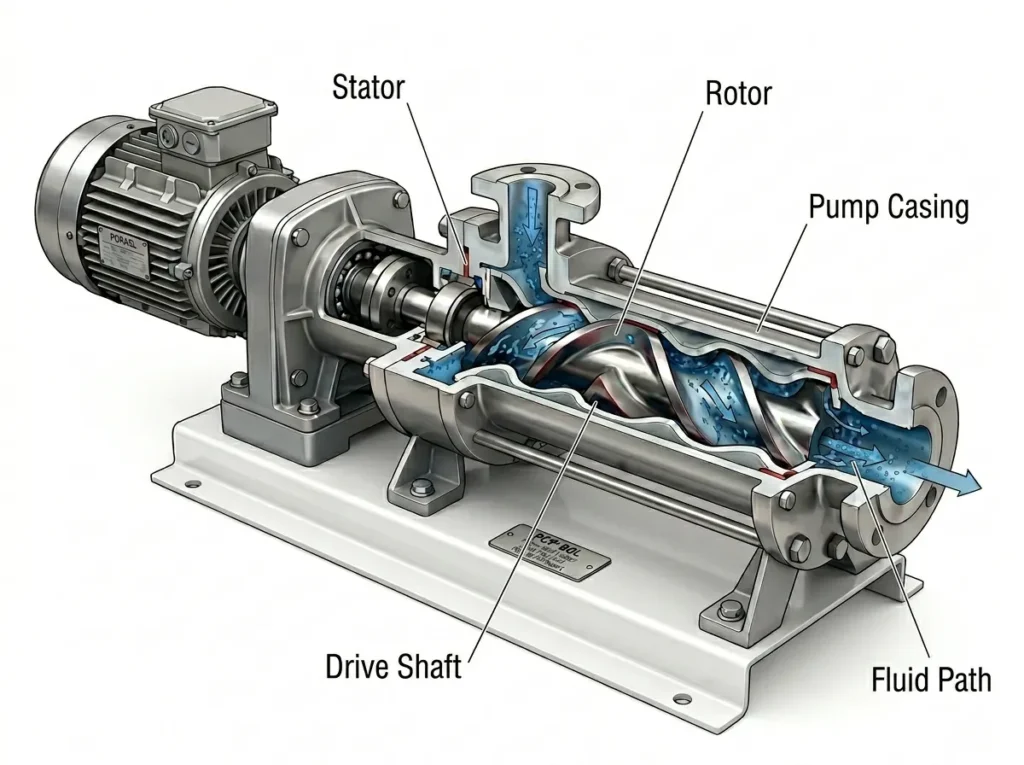
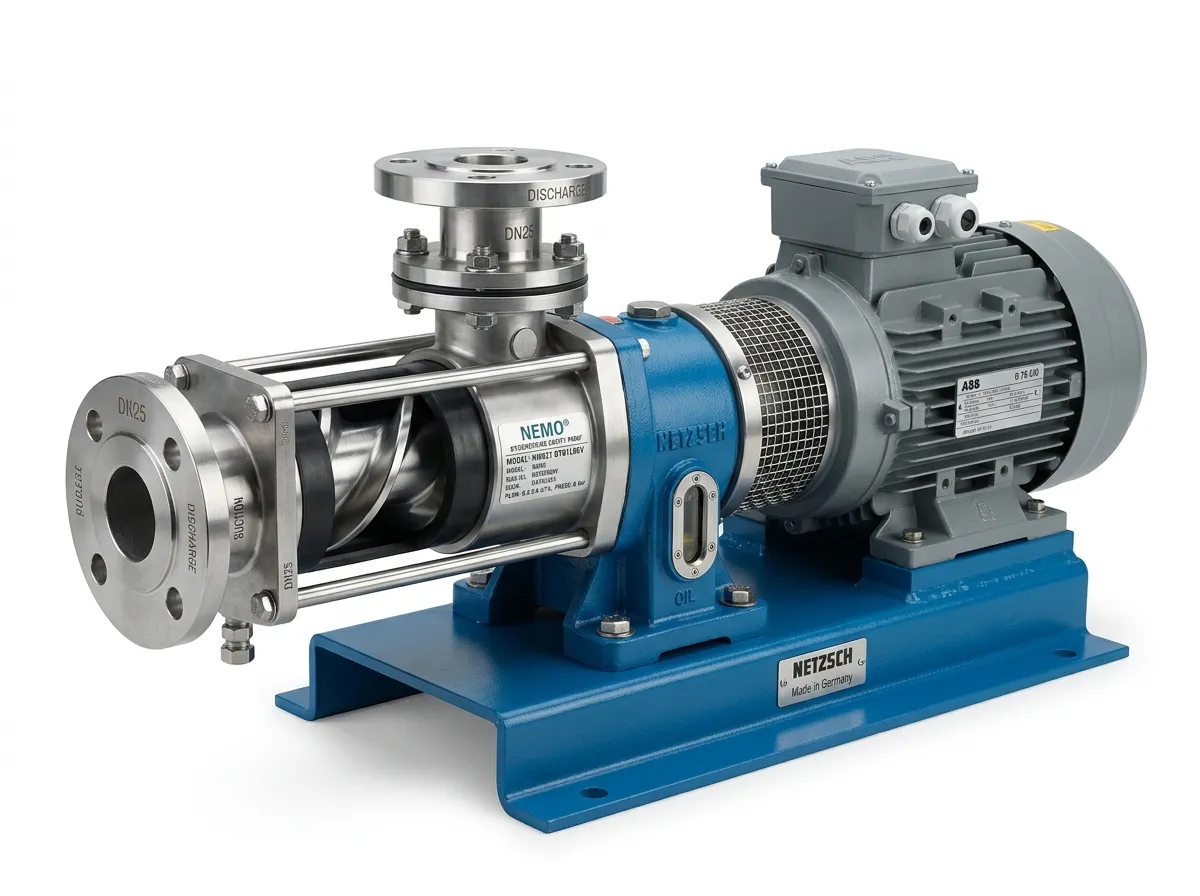
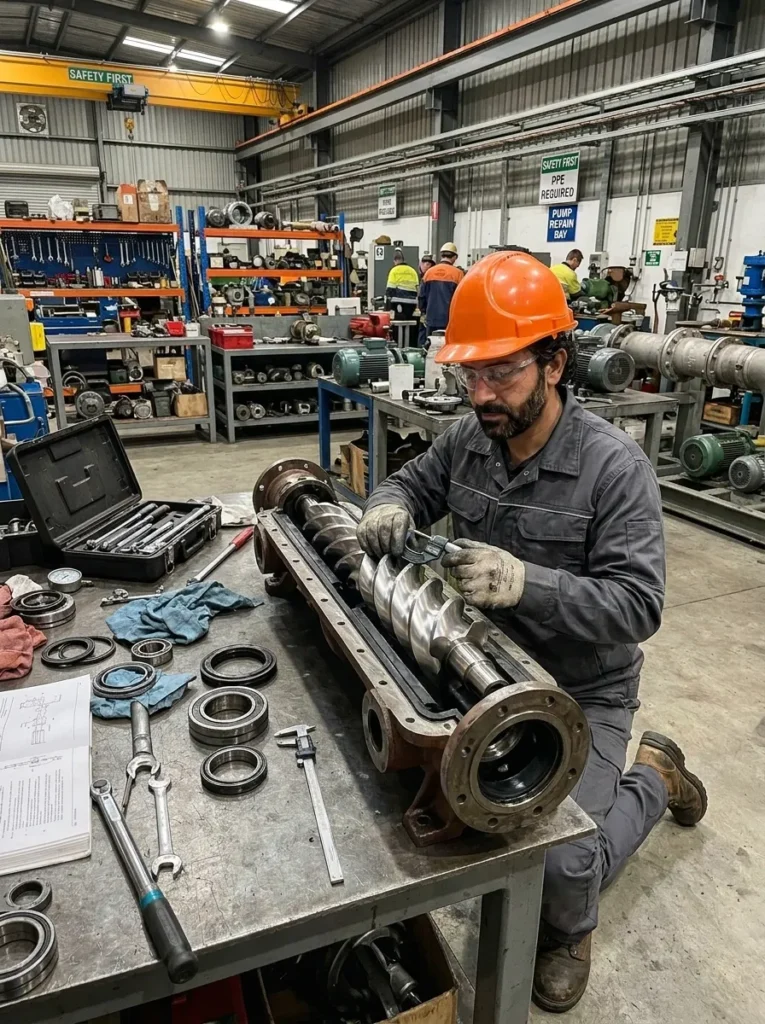
A progressing cavity pump is a positive displacement pump designed to transfer viscous, abrasive, and shear-sensitive fluids at a consistent flow rate. It operates using a helical rotor rotating inside an elastomer stator to create moving cavities that transport fluid smoothly from inlet to discharge.
Types of Progressing Cavity Pumps
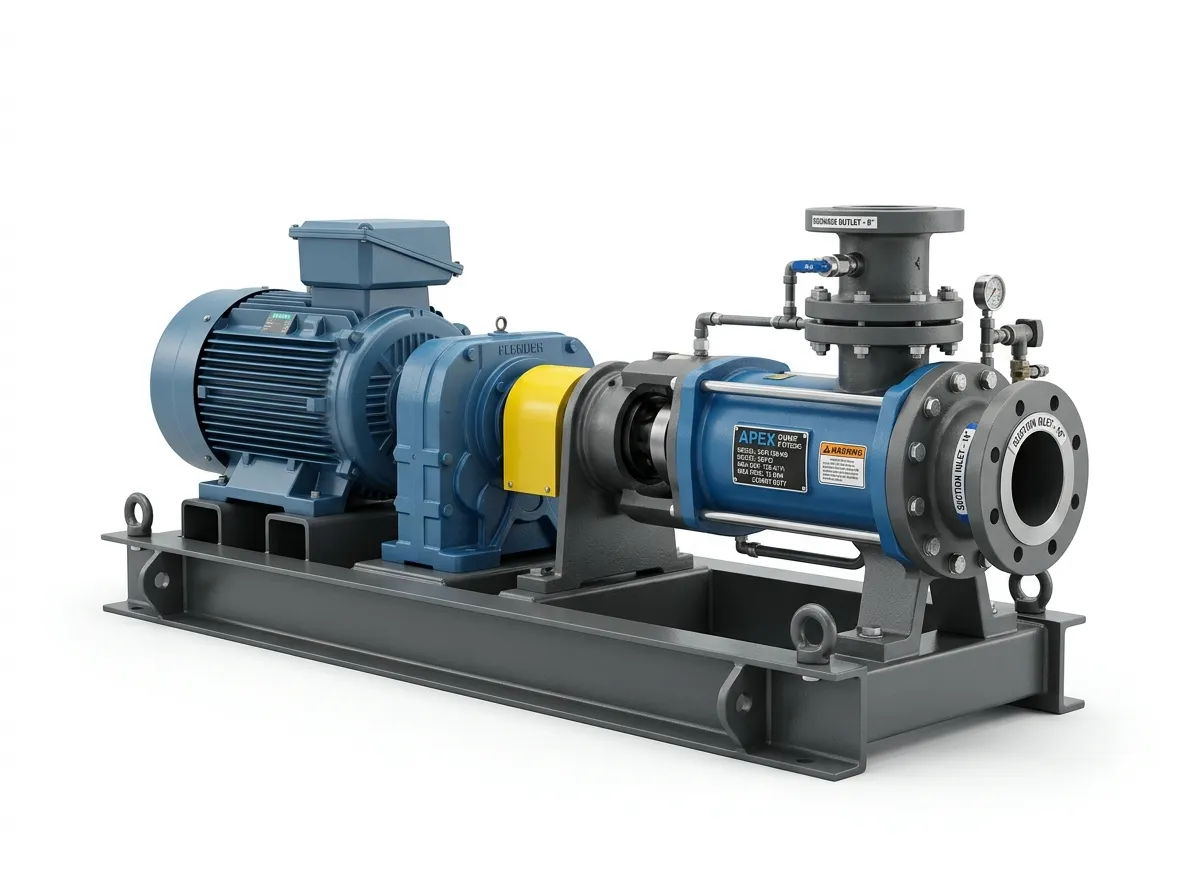
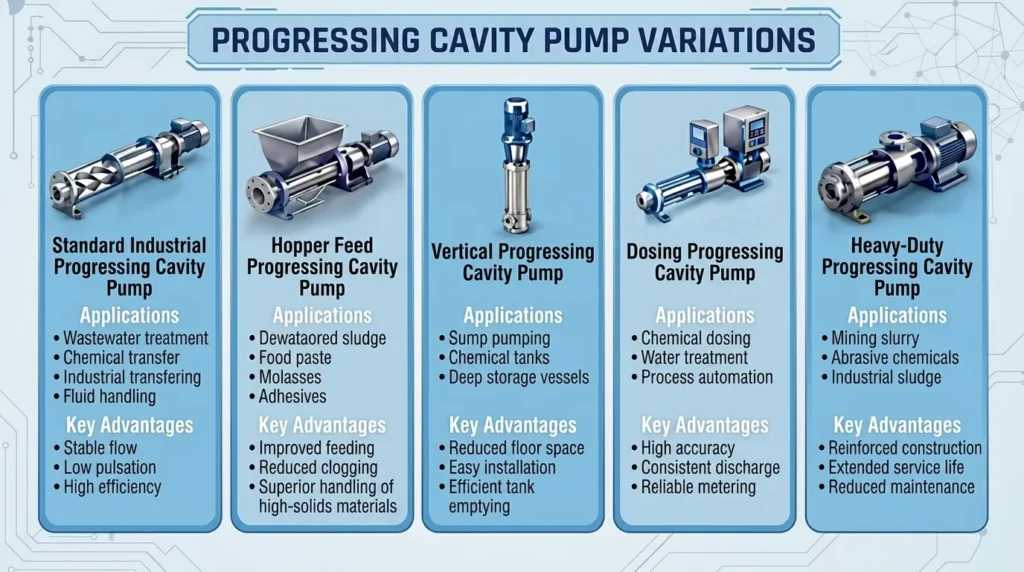
Different industries require different pump configurations. Understanding available variants helps users choose the most suitable solution.
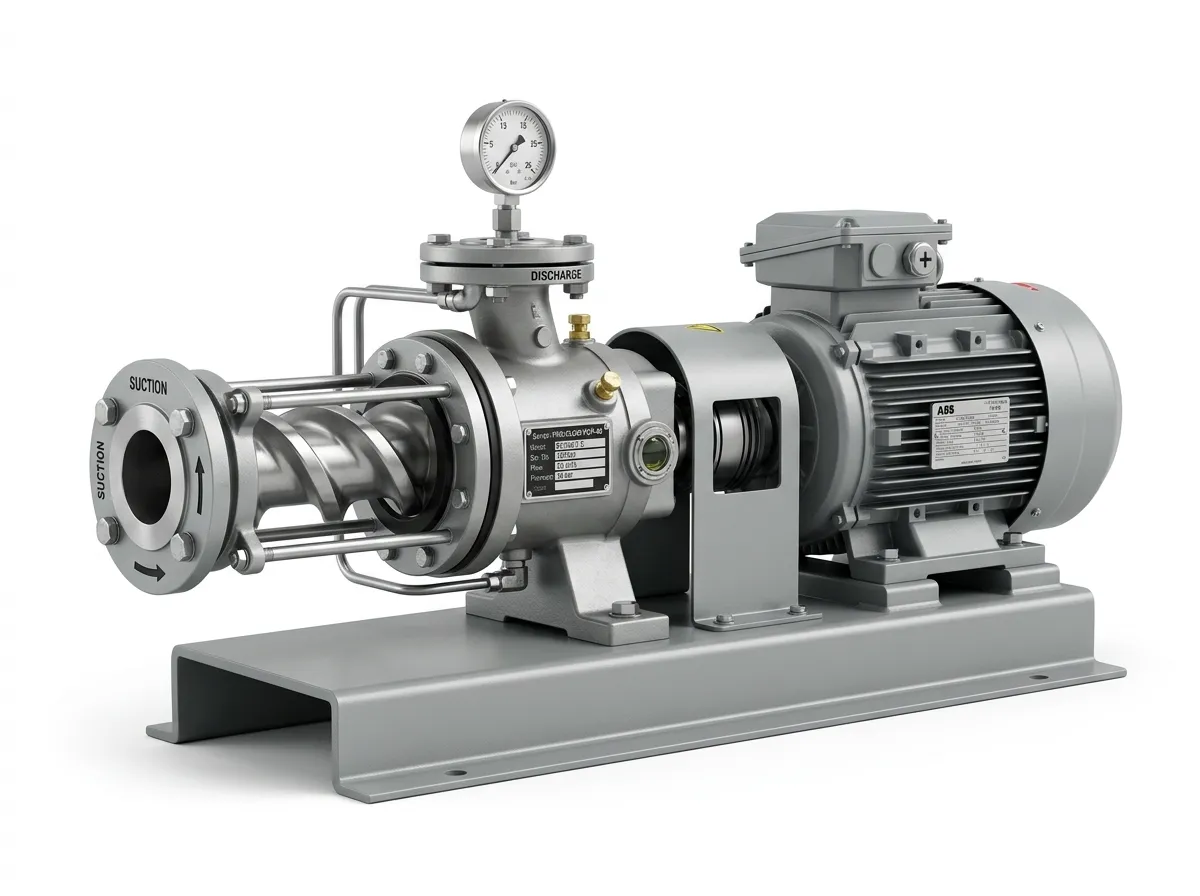
Standard Industrial PCP
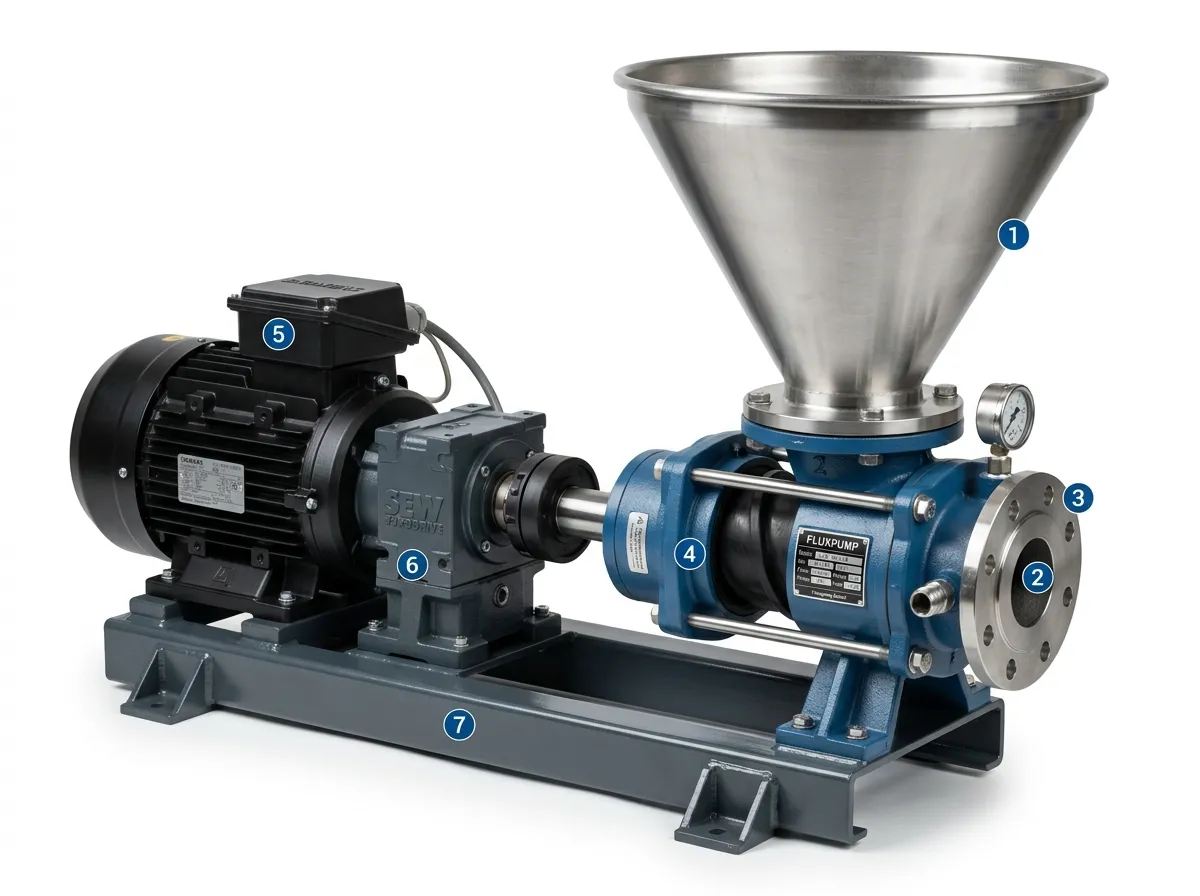
Hopper Feed PCP
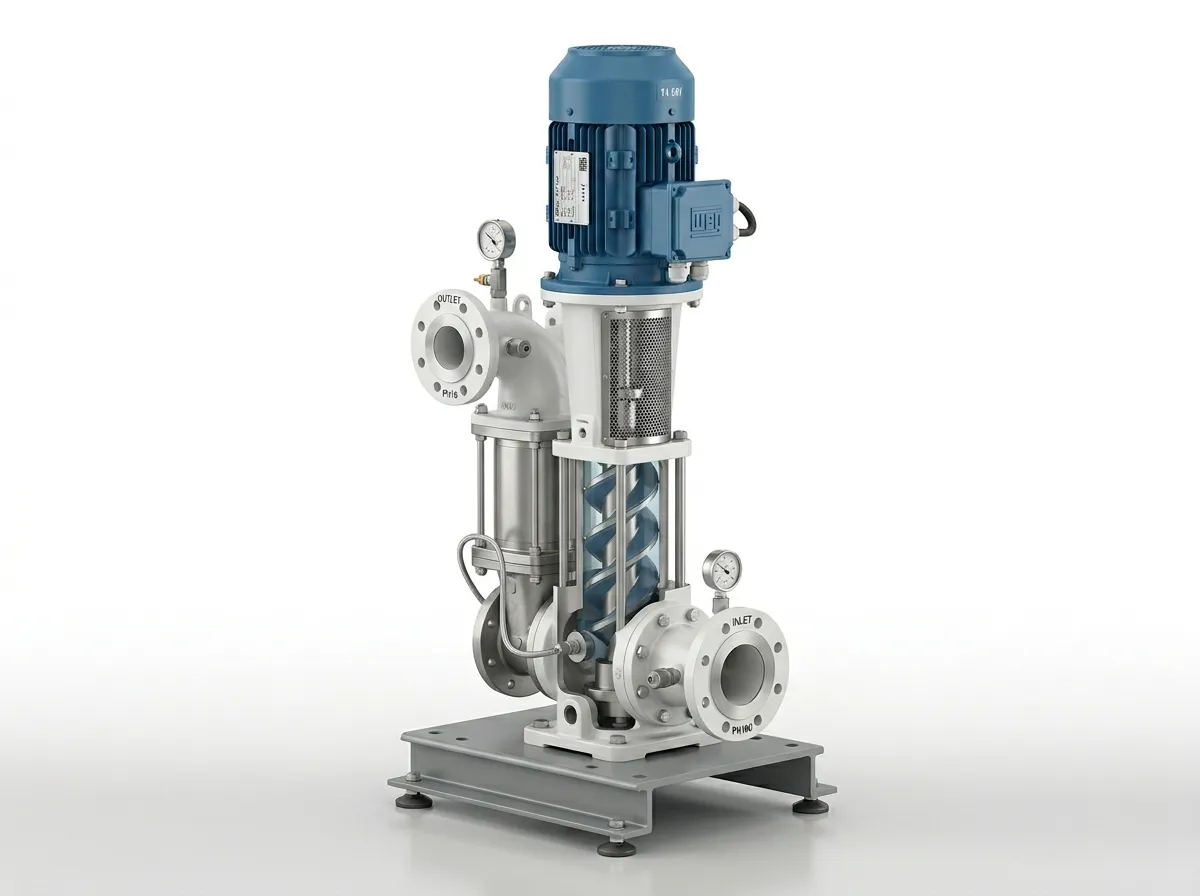
Vertical PCP
Dosing PCP
Heavy-Duty PCP
How Does a Progressing Cavity Pump Work?
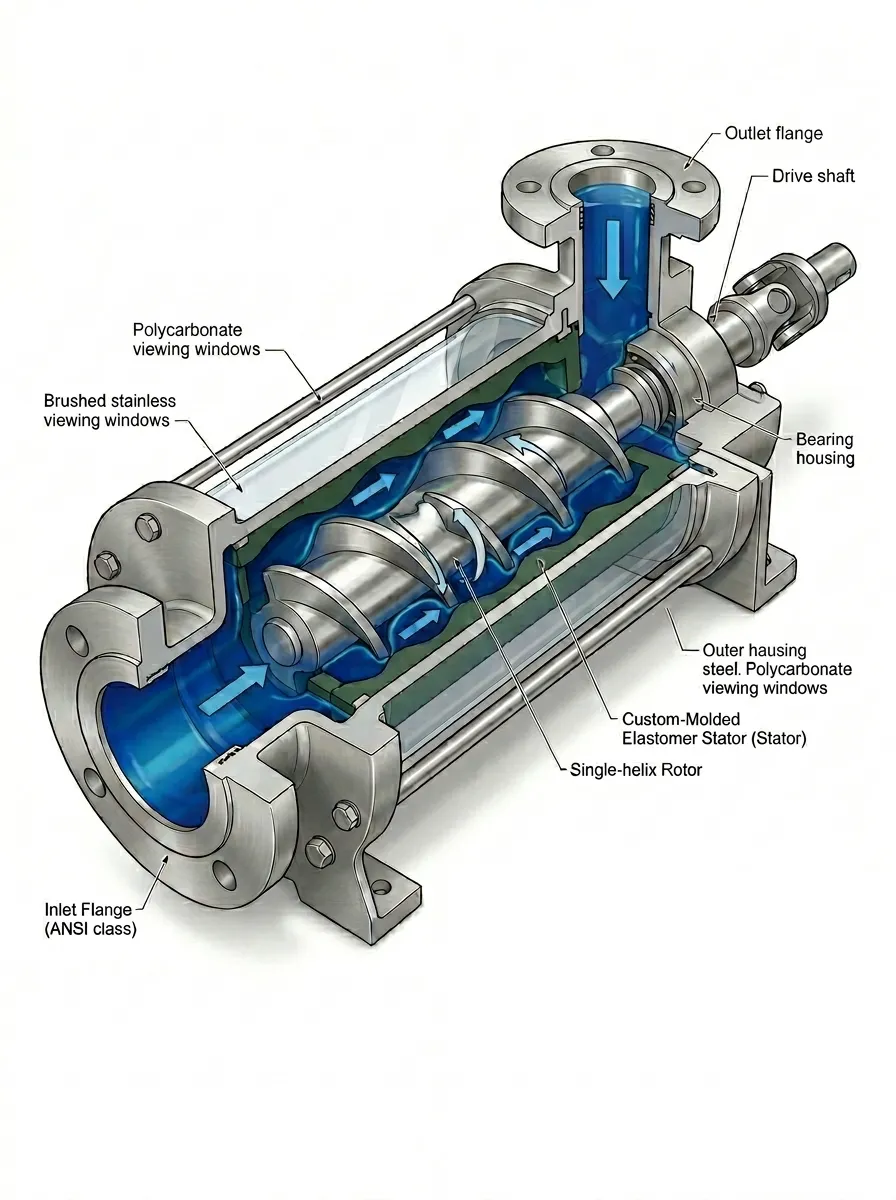
A progressing cavity pump consists of a single helical metallic rotor rotating inside a double-helical elastomer stator.
As the rotor rotates:
- Cavities form at the suction end.
- Fluid enters the cavities.
- Cavities move progressively toward discharge.
- Fluid is transported continuously.
- Constant flow is maintained.
A progressing cavity pump works by rotating a helical rotor inside an elastomer stator. This creates sealed cavities that continuously move fluid from the suction side to the discharge side with minimal pulsation and high volumetric efficiency.
Benefits of Progressing Cavity Pumps
1
Handles High Viscosity Fluids
Ideal for Sludge, Oil, Syrups and Chemical compounds
2
Consistent Flow Rate
Flow remains stable even when system pressure change.
3
Low Pulsation
Reduces vibration and protects process equipment.
4
Excellent Solids Handling
Can transfer fluids containing suspended solids.
5
Gentle Product Handling
Suitable for shear-sensitive materials.
6
Self-Priming Capability
Operates effectively in difficult suction conditions.
Importance of Progressing Cavity Pumps in Pakistan
Pakistan’s industrial sector increasingly requires reliable pumping systems capable of handling wastewater, industrial sludge, chemicals, food products, and agricultural fluids.
Industries benefiting from progressing cavity pumps include:
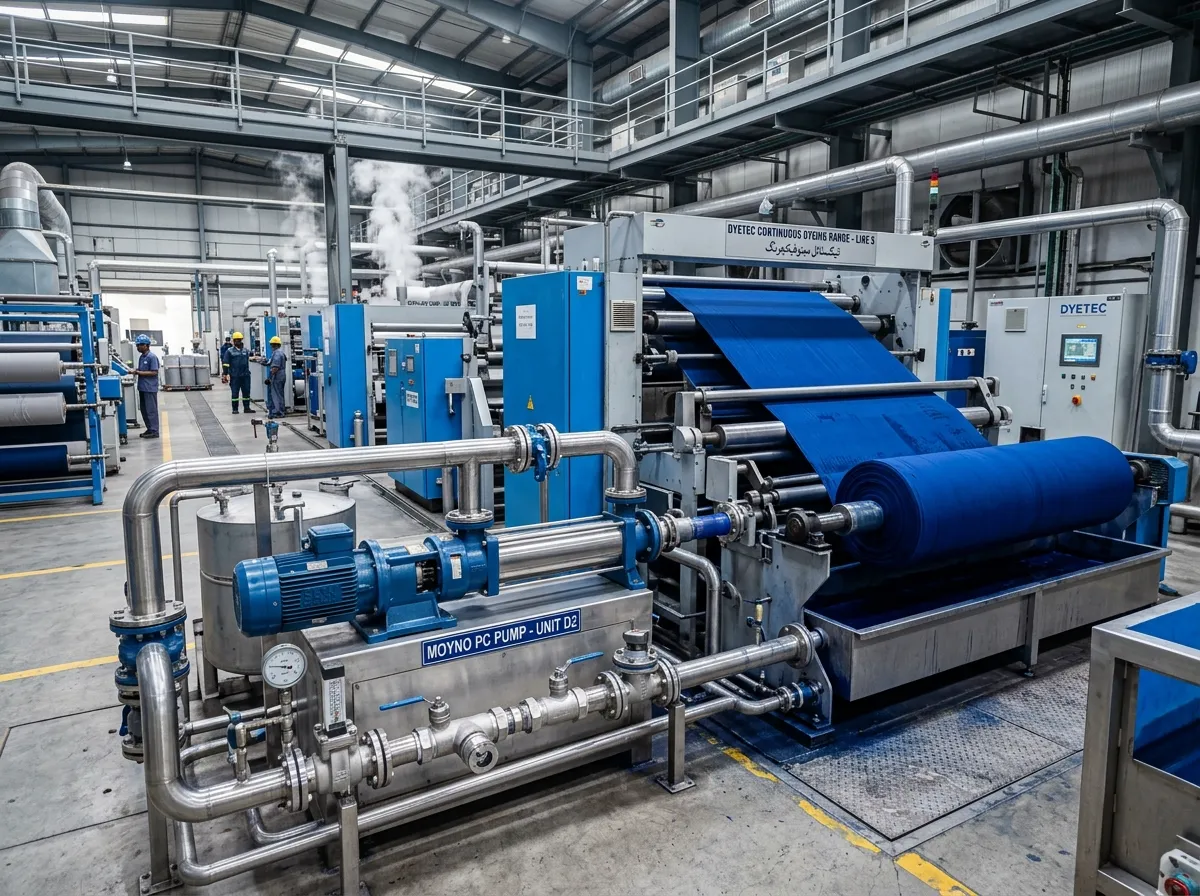

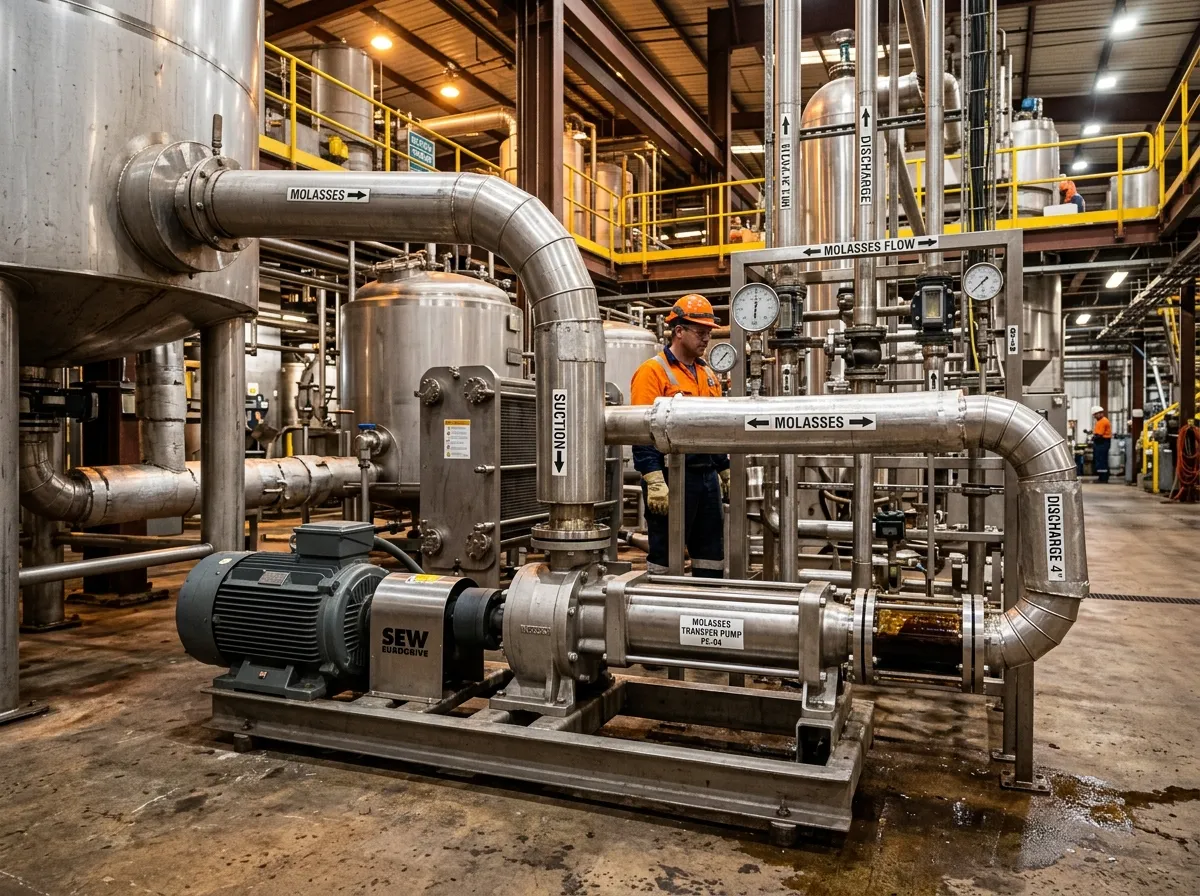
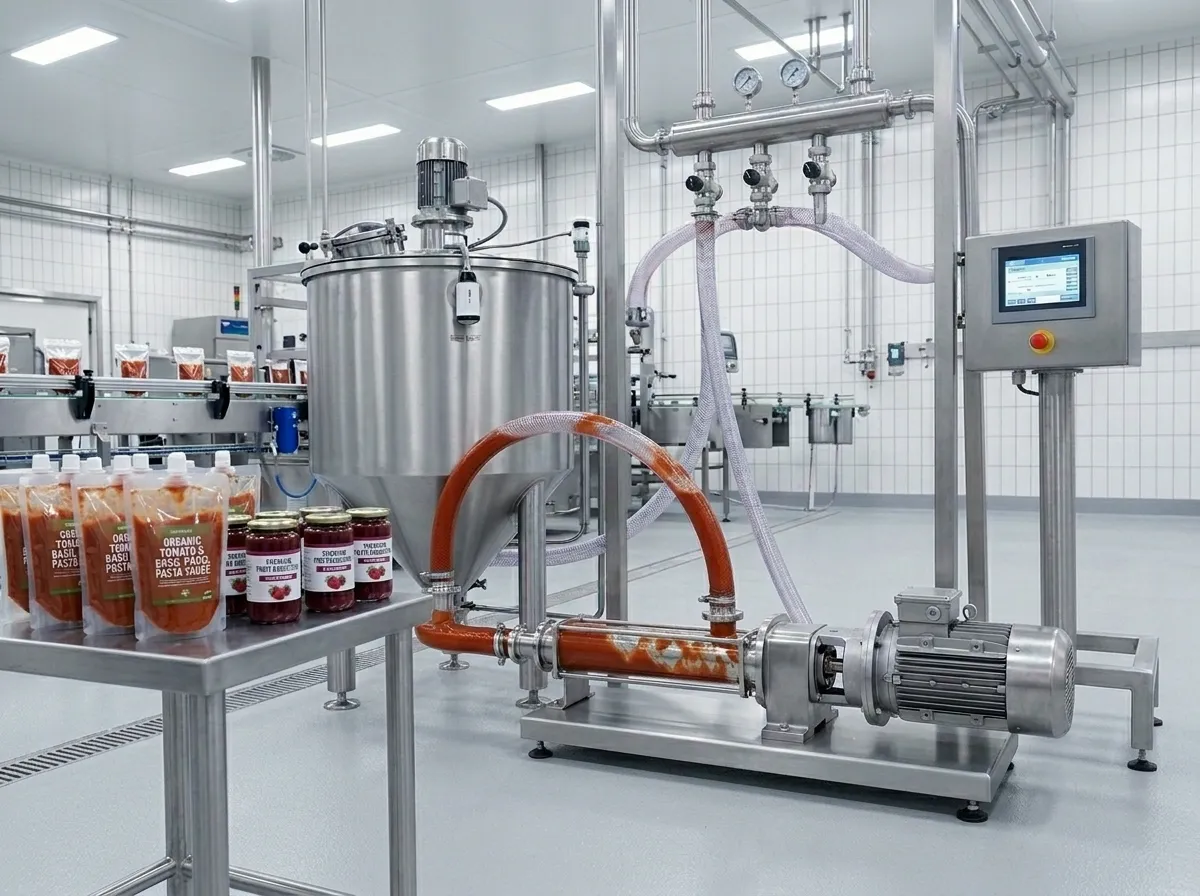
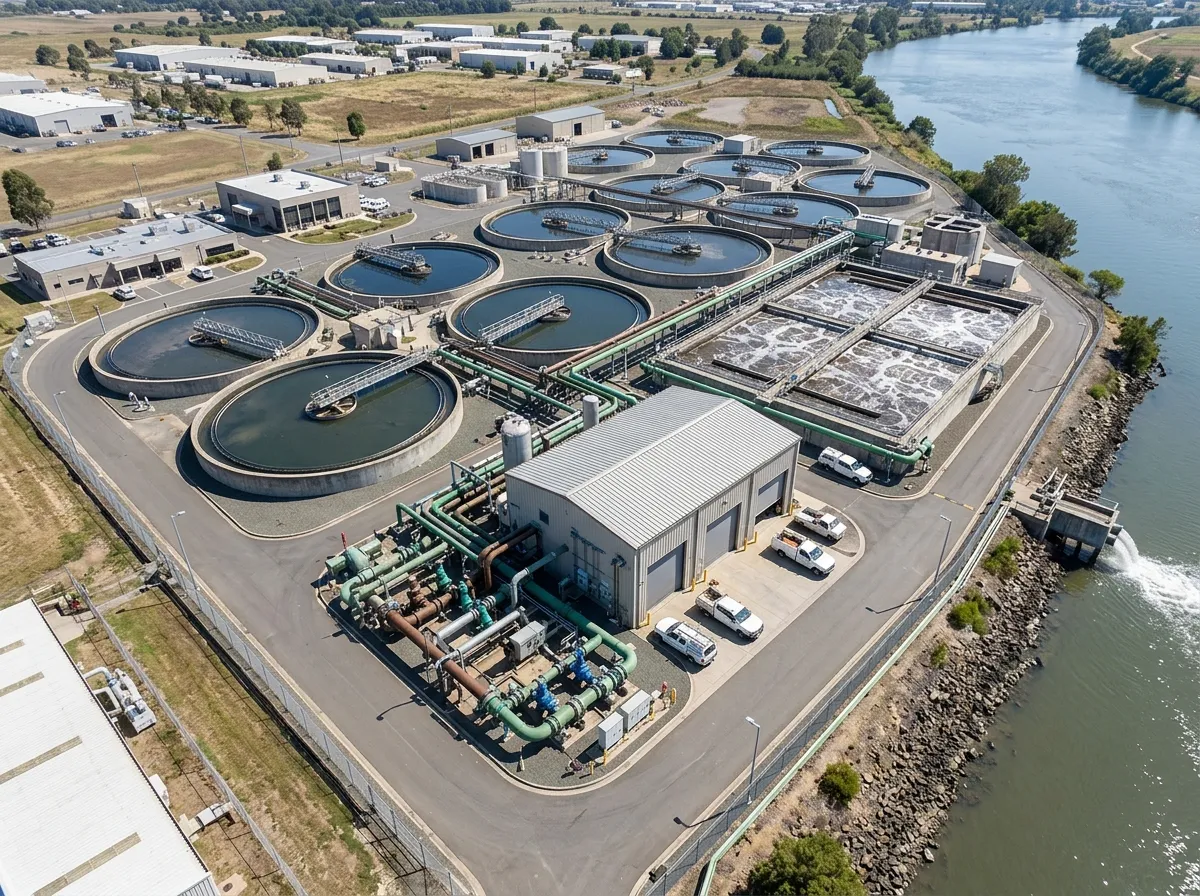

Their ability to handle difficult fluids makes them a preferred choice over conventional centrifugal pumps in many specialized applications
How To Choose the Right progressing cavity pump
Choosing the correct progressing cavity pump directly impacts performance, maintenance costs, and equipment lifespan.
Consider Fluid Viscosity
Determine Required Flow Rate
Material Compatibility
Energy Efficiency
Evaluate Solids Content
Check Operating Pressure
Seal Selection
Applications of Progressing Cavity Pumps
Wastewater Treatment
Used for:
- Sludge transfer
- Polymer dosing
- Dewatered sludge handling
Food Processing
Suitable for:
- Syrups
- Sauces
- Dairy products
Chemical Industry
Handles:
- Corrosive liquids
- Additives
- Chemical dosing
Oil & Gas
Used for:
- Crude oil transfer
- Produced water
- Drilling fluids
Mining
Effective for:
- Tailings
- Slurry transfer
- Abrasive fluids
Agriculture
Supports:
- Fertilizer dosing
- Irrigation additives
- Waste management
Progressing Cavity Pump Maintenance Tips
- Perform Routine Inspections
- Monitor Operating Temperature
- Prevent Dry Running
- Lubricate Moving Components
- Check Seal Integrity
- Maintain Proper Operating Speed
REVSOL- PAKISTAN
Why choose US
Whether your application involves sludge transfer, chemical dosing, viscous liquid handling, or industrial wastewater management, Revsol helps you choose the right progressing cavity pump for your operational requirements.
We Offer
Revsol supplies high-quality industrial pumping solutions across Pakistan.
Our progressing cavity pump solutions include
You ask, we answer
A progressing cavity pump is used to transfer viscous, abrasive, and solids-laden fluids. It is commonly used in wastewater treatment, sludge handling, chemical dosing, food processing, and oil & gas applications where consistent flow is required.
A progressing cavity pump is a positive displacement pump that delivers a constant flow regardless of fluid viscosity. Unlike a centrifugal pump, it performs better with thick fluids, sludge, slurries, and liquids containing solids.
Yes. Progressing cavity pumps are widely used for sludge transfer because they efficiently handle high-viscosity, abrasive, and solids-rich materials. They are commonly installed in municipal and industrial wastewater treatment systems.
Yes. Most progressing cavity pumps are self-priming and can operate effectively under challenging suction conditions. This makes them ideal for wastewater, chemical transfer, and industrial fluid handling applications.
Industries that use progressing cavity pumps include wastewater treatment, food processing, chemical manufacturing, textile processing, fertilizer production, mining, agriculture, and oil & gas operations.
Routine progressing cavity pump maintenance includes inspecting the rotor and stator, checking seals, lubricating moving parts, and preventing dry running. Regular maintenance improves performance and extends pump service life.
To select the right progressing cavity pump, consider fluid viscosity, solids content, flow rate, pressure, temperature, and material compatibility. Choosing the correct pump ensures efficient operation and longer equipment life.
A high-quality progressing cavity pump can operate for many years when properly maintained. Service life depends on fluid characteristics, operating conditions, maintenance practices, and the quality of wear components.