

A fire pump system is a critical component of modern fire protection infrastructure. It ensures that sufficient water pressure is available to operate fire sprinklers, hydrants, and standpipes during emergencies. In many buildings, the municipal water supply does not provide enough pressure for firefighting equipment. A fire pump increases the pressure so that the fire protection system can function effectively during a fire.
Fire pump systems are widely used in commercial buildings, industrial facilities, warehouses, hospitals, and high-rise residential structures. By maintaining reliable water pressure, these systems help protect people, property, and essential infrastructure.
At Revsol, we provide professional fire protection solutions including system design, installation, and maintenance for modern fire pump systems.
Fire pump systems are also an important part of fire fighting pumps and accessories used in many industrial and commercial fire protection systems.
What Is a Fire Pump System?
Definition:
A fire pump system is a mechanical system that increases water pressure within a fire protection network. The pump draws water from a water source such as an underground tank, reservoir, or municipal supply and boosts the pressure so it can be delivered efficiently to sprinklers and hydrants throughout a building.
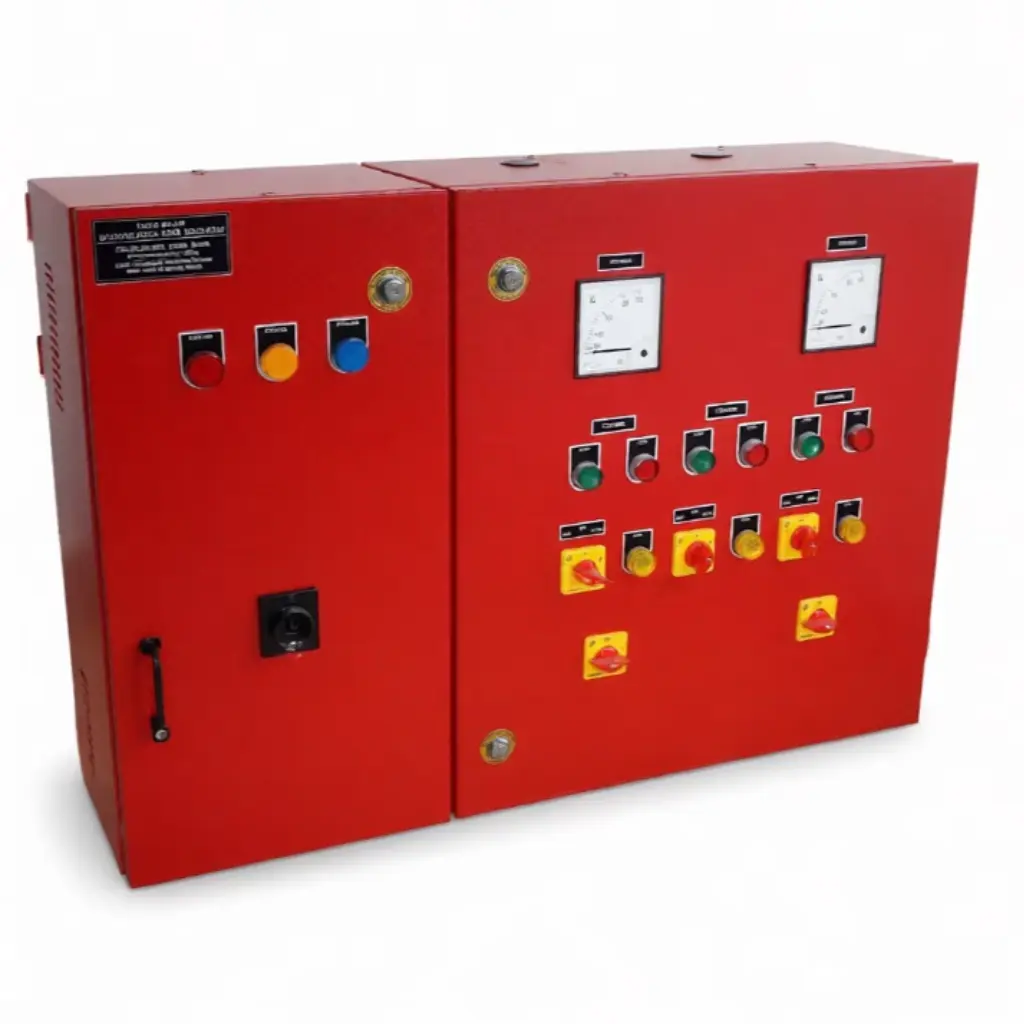
During a fire emergency, when a sprinkler head or hydrant is activated, the water pressure in the system drops. The fire pump controller detects this pressure drop and automatically starts the pump. The pump then delivers high-pressure water to the fire protection system, allowing it to control or extinguish the fire quickly.
Fire pump systems are usually installed alongside other fire safety systems such as fire hydrant systems and fire alarm systems to provide complete building protection.
👉 Looking for a fire pump solution tailored to your building?
Why Fire Pump Systems Are Important?
Fire pump systems play a vital role in maintaining adequate water pressure during emergencies. Without proper pressure, firefighting equipment may not deliver enough water to control a fire effectively.
A properly designed fire pump system ensures that water flows through the fire protection network at the correct pressure and volume. This helps protect buildings, equipment, and occupants during fire incidents.
In many facilities, fire pumps also support fire suppression systems designed to automatically control fires before they spread.
Key Components of a Fire Pump System
Fire Pump
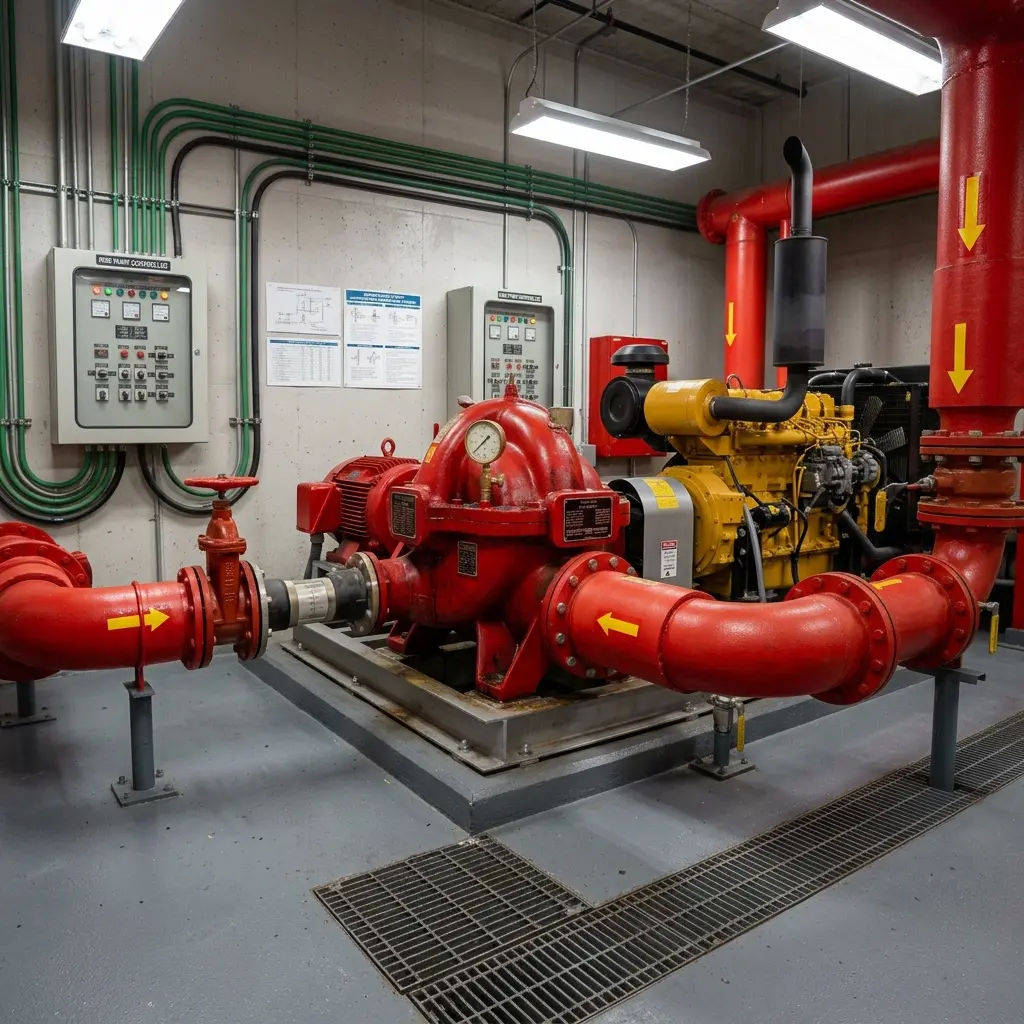
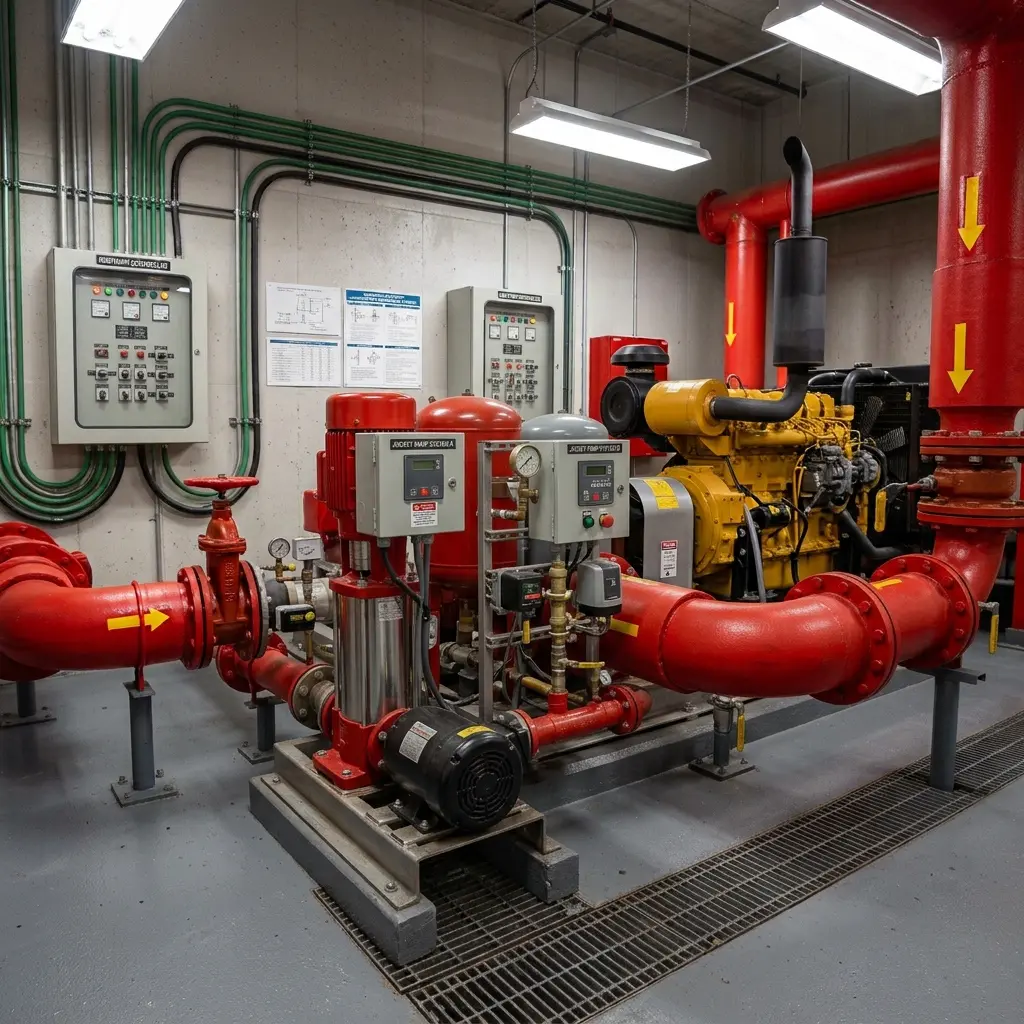
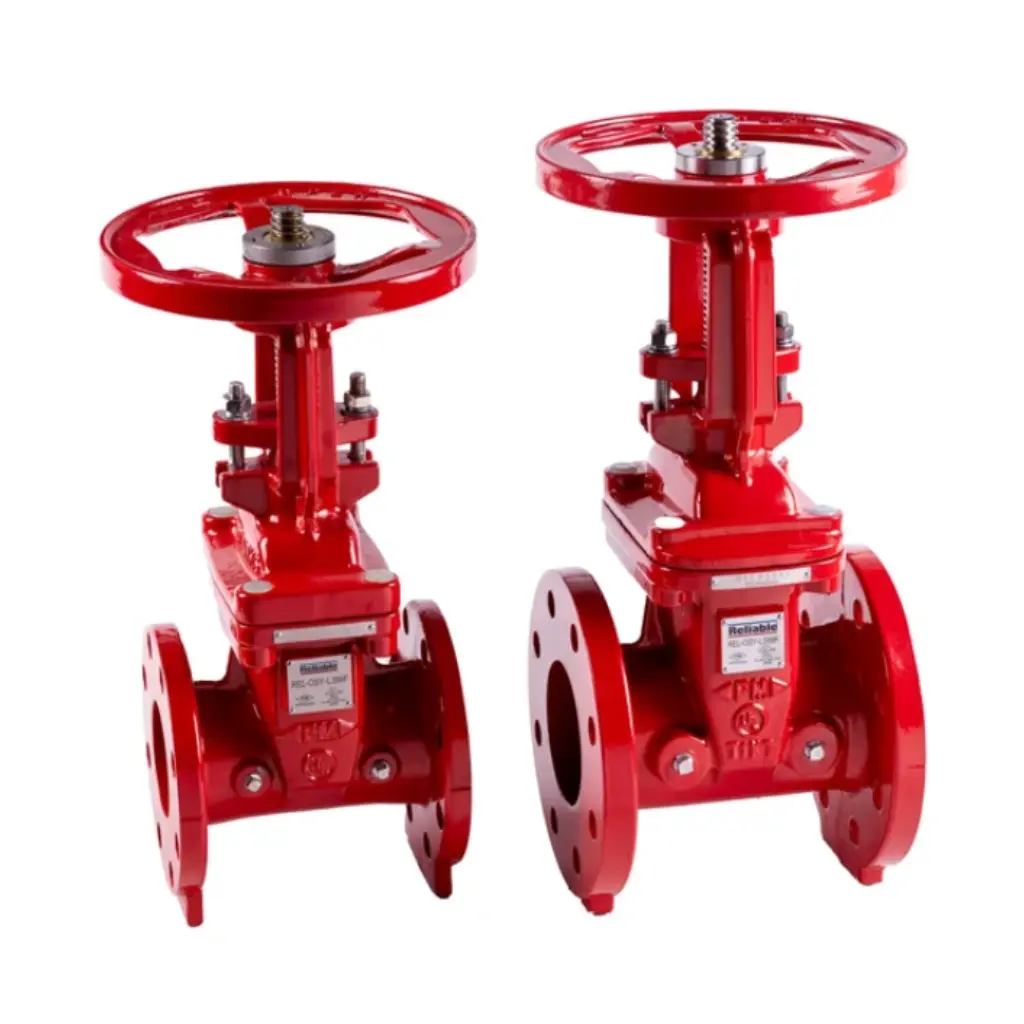
A fire pump system consists of several components that work together to ensure reliable operation during emergencies. Each component has a specific role in maintaining pressure and delivering water to the fire protection network.
These components are carefully selected and installed to ensure the system operates efficiently and meets fire safety regulations.
Jockey Pump
Electric Motor or Diesel Engine

Fire Pump Controller
Valves and Piping
Types of Fire Pump Systems
Different types of fire pumps are used depending on the building size, water source, and required water flow. Selecting the right type of fire pump is essential for ensuring effective fire protection.
Each type of pump is designed to meet specific operational requirements and building conditions.
Electric Fire Pump
Electric fire pumps are powered by electric motors and are widely used in commercial and residential buildings. They are efficient, easy to maintain, and suitable for facilities with reliable power supply.These pumps provide consistent performance and are commonly used as the primary fire pump in many buildings.
Vertical Turbine Fire Pump
Vertical turbine fire pumps are commonly used when water needs to be drawn from deep sources such as wells, underground tanks, or reservoirs.These pumps are designed to operate efficiently in situations where the water supply is located below ground level.
Split Case Fire Pump
Split case fire pumps are widely used in large commercial and industrial buildings because they can deliver high water flow rates with excellent efficiency.They are durable, easy to maintain, and suitable for facilities that require high-capacity fire protection systems.
Diesel Fire Pump
Diesel fire pumps are powered by diesel engines and are often used as backup pumps in fire protection systems. They are particularly useful in situations where electrical power may fail during emergencies.Because they operate independently from the electrical system, diesel fire pumps provide an additional layer of reliability.
How a Fire Pump System Works
A fire pump system operates automatically when a pressure drop occurs in the fire protection network.
Step 1: System Pressure Monitoring
The fire protection system continuously monitors water pressure within the piping network to ensure that the required pressure level is maintained at all times.
Step 2: Fire Detection and System Activation
When a fire occurs, a sprinkler head or fire hydrant is activated, allowing water to flow through the system.
Step 3: Pressure Drop Detection
As water begins to flow through the sprinklers or hydrants, the pressure in the system decreases. The fire pump controller detects this pressure drop.
Step 4: Automatic Fire Pump Startup
Once the controller detects the drop in pressure, it automatically starts the fire pump to restore the required water pressure.
Step 5: Water Pressure Boost and Distribution
The fire pump increases the water pressure and delivers a steady flow of water to firefighting equipment such as sprinklers and hydrants until the emergency is resolved.
Applications of Fire Pump Systems
Fire pump systems are used in a wide range of buildings where reliable fire protection is required. They are especially important in facilities where large numbers of people or valuable assets need protection.
Common applications include commercial buildings, industrial plants, warehouses, hospitals, high-rise residential buildings, and shopping malls.

Fire Pump System Installation
Proper installation of a fire pump system is essential to ensure reliable operation during emergencies. The installation process involves careful planning, correct pump selection, and integration with the building’s fire protection network.
Professional installation ensures that the system meets fire safety standards and operates efficiently under real emergency conditions.
Fire Pump System Maintenance
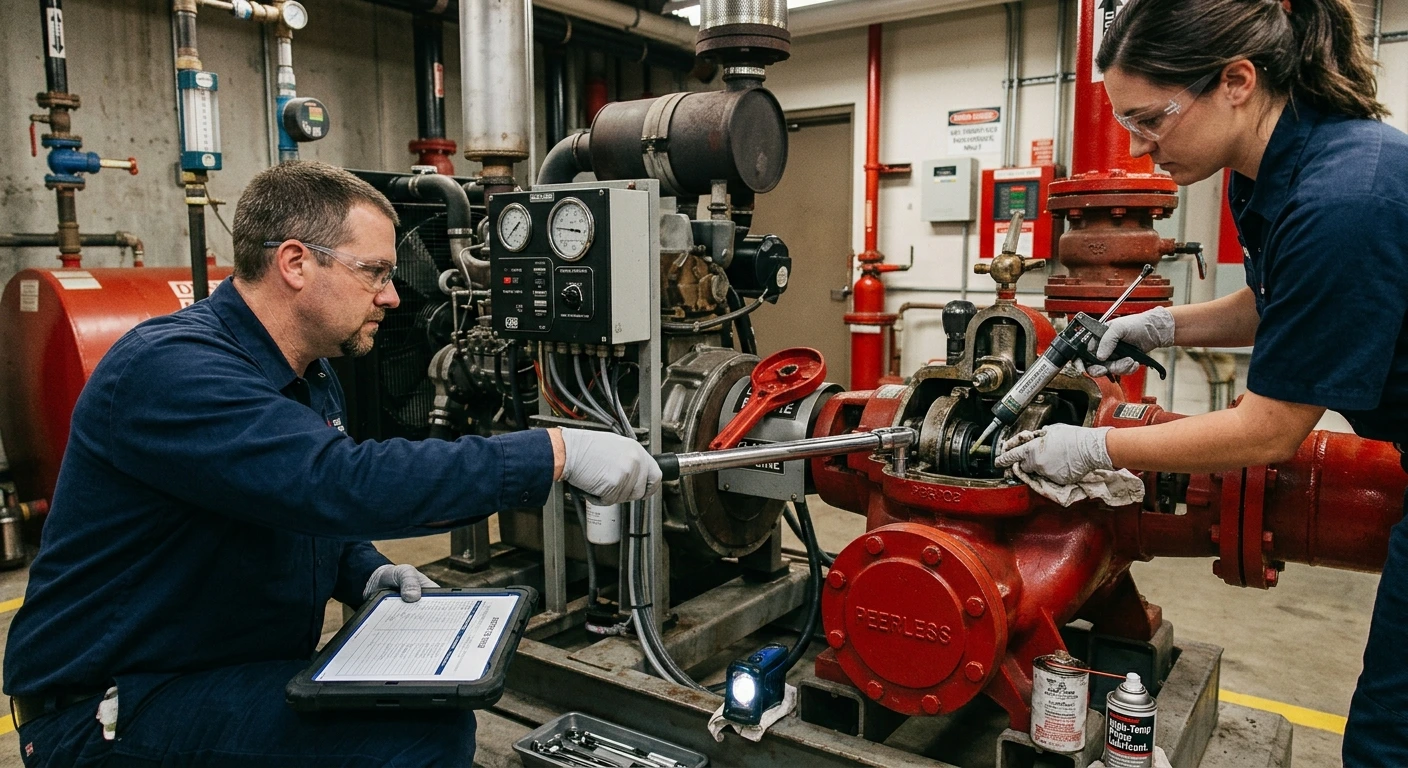
Regular maintenance is necessary to ensure that fire pump systems remain fully operational. Maintenance activities include routine inspections, pump testing, pressure monitoring, and checking system components.
Preventive maintenance helps identify potential issues before they become serious problems and ensures the fire protection system is always ready when neede
Why Choose Revsol for Fire Pump Systems
Revsol provides complete fire protection solutions designed to meet the safety needs of commercial and industrial facilities. Our team of professionals has the expertise to design, install, and maintain reliable fire pump systems.
We focus on delivering high-quality equipment, professional installation, and ongoing maintenance support to ensure that your fire protection system performs effectively at all times

F.A.Q.
What is a fire pump system used for?
A fire pump system increases water pressure in a fire protection network so that sprinklers, hydrants, and firefighting equipment can operate effectively.
When is a fire pump required in a building?
A fire pump is required when the municipal water supply does not provide sufficient pressure for the fire protection system.
What are the four types of fire pumps?
- Horizontal split case pump.
- Vertical split case pump.
- Vertical in-line pump.
- Vertical turbine pump.
How often should fire pumps be tested?
Fire pumps should be tested regularly according to fire safety standards to ensure reliable operation during emergencies.
What is the difference between a fire pump and a jockey pump?
A fire pump provides high-pressure water during emergencies, while a jockey pump maintains pressure during normal system operation.
What is a fire pump system?
Fire pumps are used to increase the pressure of water sourced from a municipal underground water supply piping network, or a static supply (e.g., tank, reservoir, lake).
What is a firewater system?
A firewater system is defined as a fire protection system that utilizes water for extinguishing fires, controlling fire spread, cooling equipment, and protecting personnel from heat radiation in facilities such as natural gas processing plants.
How to calculate fire pump size?
If you have a 40,000-square-foot building that is all ordinary group 1, the calculation would be 1,500 x 0.15 (density) = 225 + 250 (hose demand) = 475 gpm total for the fire pump. If the structure has multiple hazards, the hazard with the highest gpm calculation dictates the pump size.
How to select a pump size?
1 – Consider Flow Rate and Friction Loss.
2 – Determine the Required Differential Pressure.
3 – Consider the Fluid Temperature and Viscosity.
4 – Consider the System’s Configuration.
Fire Pump System Services in Pakistan
Revsol provides professional fire pump system installation and maintenance services across major cities in Pakistan. Our team supports commercial, industrial, and residential projects with reliable fire protection solutions.
We provide services in:
Need fire pump installation in your city?